List of African countries by population

This is a list of the current 55 African countries sorted by population, which is sorted by normalized demographic projections from the most recently available census or demographic data. Africa remains one of the world's fastest growing regions.[1] 60% of Africa is 25 years of age or younger. Africa mainly consists of the four main regions; East Africa, West Africa, North Africa and Southern Africa. [2] This list also includes the partially recognized country Sahrawi Arab Democratic Republic, commonly known as Western Sahara, which is a member of the African Union.[3]
Rank Countries Official
figure
(where
available)
Date of
last figure
Source
1  Nigeria218,625,385 2022Worldometers[4]
2  Ethiopia121,922,4162022
3  Egypt106,981,0482022National population clock
4  Democratic Republic of the Congo96,511,5482022
5  Tanzania63,931,8762022Worldometers
6  South Africa61,081,0762022Official estimate
7  Kenya56,645,5882022Worldometers
8  Uganda49,333,7042022National annual projection
9  Sudan46,342,1032022Official population clock
10  Algeria45,753,5092022Official estimate
11  Morocco37,945,5932022Worldometers
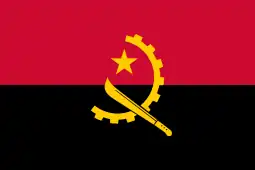
12  Angola35,405,8232022National projection
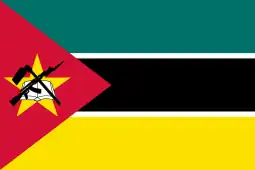
13  Mozambique33,413,2322022Official estimate
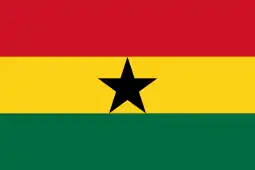
14  Ghana32,642,3732022Official estimate
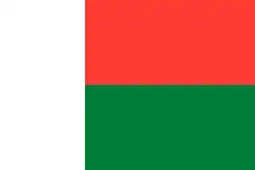
15  Madagascar29,434,8232022UN - World Population Prospects
16  Cameroon28,161,1442022Official estimate
17  Ivory Coast27,974,4852022National projection
18  Niger26,412,6042022National projection
19  Burkina Faso22,313,5342022Official estimate
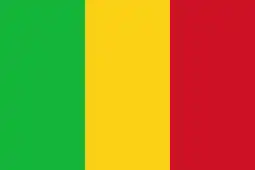
20  Mali21,691,0722022UN projection
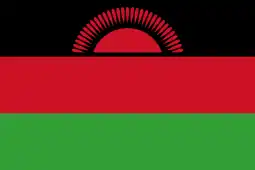
21  Malawi20,341,2552022National annual projection
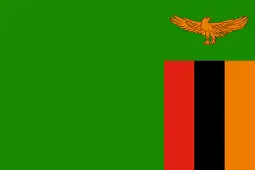
22  Zambia19,652,6202022Official estimate
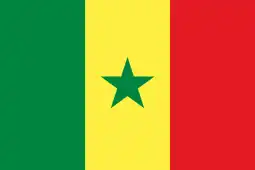
23  Senegal17,826,5712022Official estimate
24  Chad17,589,3642022National projection
25  Somalia16,985,5282022UN estimate
26  Zimbabwe15,378,2432022National projection
27  Guinea14,008,5762022Official estimate
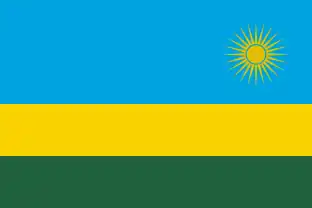
28  Rwanda13,736,8632022Official projection
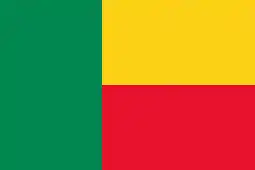
29  Benin12,902,0122022National projection
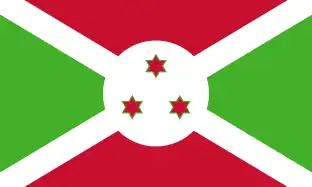
30  Burundi12,767,4552022Official estimate
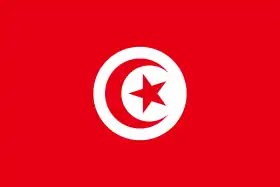
31  Tunisia12,110,1922022National semi-projection estimate
32  South Sudan11,504,1102022National projection
33  Togo8,751,2742022National projection
34  Sierra Leone8,368,9702022Official estimate
35  Libya7,093,3072022UN projection
36  Republic of the Congo5,849,8682022UN projection
37  Liberia5,347,2432022National projection
38  Central African Republic5,031,1862022[5]
39  Mauritania4,949,4862022Official estimate
40  Eritrea3,663,1172022
41  Namibia2,651,4782022National projection
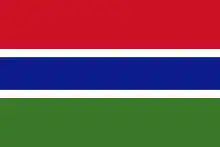
42  Gambia2,584,0042022UN projection
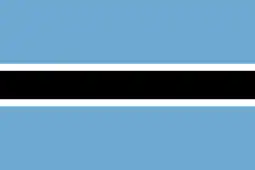
43  Botswana2,466,3212022Annual projection
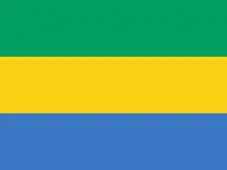
44  Gabon2,353,6922022Official projection
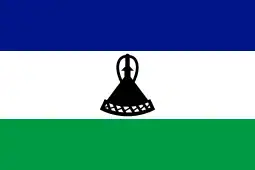
45  Lesotho2,182,0402022Census 2016
46  Guinea-Bissau2,081,3402022Official estimate
47  Equatorial Guinea1,518,0072022Official estimate
48  Mauritius1,276,6382022National semi-annual estimate
49  Eswatini1,188,4792022Official estimate
50  Djibouti1,022,2192022Official projection
51  Comoros914,4722022Census result
 Sahrawi Arab Democratic Republic[6]633,2122022
52  Cape Verde570,2392022National projection
53  São Tomé and Príncipe228,9502022Official estimate
54  Seychelles99,7682022National estimate

Proportion of total African population by country

  Nigeria (16.38%)
  Ethiopia (8.37%)
  Egypt (7.65%)
  Democratic Republic of the Congo (6.57%)
  Tanzania (4.55%)
  South Africa (4.47%)
  Kenya (3.88%)
  Uganda (3.3%)
  Other (44.83%)

See also

References

    1. "Africa's economic growth in a new global context". ODI.
    2. "Population" (PDF). www.un.org. Retrieved 2020-06-09.
    3. "Member States".
    4. "African countries by population (2019)". Retrieved 15 September 2019.
    5. "Population by Country (2020)". Worldometer. Retrieved 2020-06-09.
    6. Sahrawi Arab Democratic Republic, commonly known as Western Sahara, is a partially recognized state in the Maghreb region. It has an ongoing sovereignty dispute with Morocco. It is also a member of the African Union.
    This article is issued from Wikipedia. The text is licensed under Creative Commons - Attribution - Sharealike. Additional terms may apply for the media files.